The Definitive Guide to Multi‑OTA Pricing Control for Booking.com Hosts
Summary
This PriceLabs guide provides a step-by-step approach to multi-OTA pricing control, which automates rates, availability, and restrictions across multiple online travel agencies from a single dashboard. Implement two-way API connectivity and an AI-driven dynamic pricing engine to improve guest experience, and revenue. Hosts should audit channels, map rate plans, and track performance metrics to optimize strategies and protect revenue.
Key Insights
- •Uncoordinated prices across OTAs can erode trust and lead to revenue leakage, as guests choose the cheaper option, and manual workflows invite costly mistakes like double bookings.
- •For Booking.com, the funnel typically runs: search rank → listing views → conversion → Net ADR, and improving earlier steps compounds the benefits of later outcomes.
Action Items
- ✓Explicitly synchronize rate plans, restrictions, and fees per OTA for Booking.com, mapping flexible vs. non-refundable rate types, extra-guest fees, and promotional fares.Effort: mediumImpact: medium
- ✓Start with a complete audit of your current setup: list each OTA, every rate plan, commission structure, and all integrations.Effort: mediumImpact: medium
Tools & Resources
- →PriceLabs: Modern channel managers sync availability, rates, and reservations to prevent double bookings, while PriceLabs’ dynamic pricing tool optimizes nightly prices portfolio‑wide.
- →Channel Managers: Modern channel managers sync availability, rates, and reservations to prevent double bookings, while PriceLabs’ dynamic pricing tool optimizes nightly prices portfolio‑wide.
Common Mistakes
- ⚠Manual updates are slow and error‑prone—leading to inconsistent rates and a higher risk of double bookings.
Related Videos


More from Pricing & Profitability

The Caribbean tourism sector demonstrated remarkable resilience in 2025, reaching its strongest performance since before the pandemic with approximately 35 million stay-over arrivals, a 2.5% increase. Despite a major hurricane battering Jamaica and declines from key markets, South American arrivals surged by 23.7%. This showcases the region's recovery potential.

Hyatt's focus on luxury accommodations gives it an edge over Hilton, according to analysts at Barclays, Morgan Stanley, and Deutsche Bank. Hyatt has a significantly higher percentage of luxury rooms (22-31%) than Hilton (2.4%). This strategic positioning is expected to drive higher revenue from high-income travelers, who are considered more resilient.
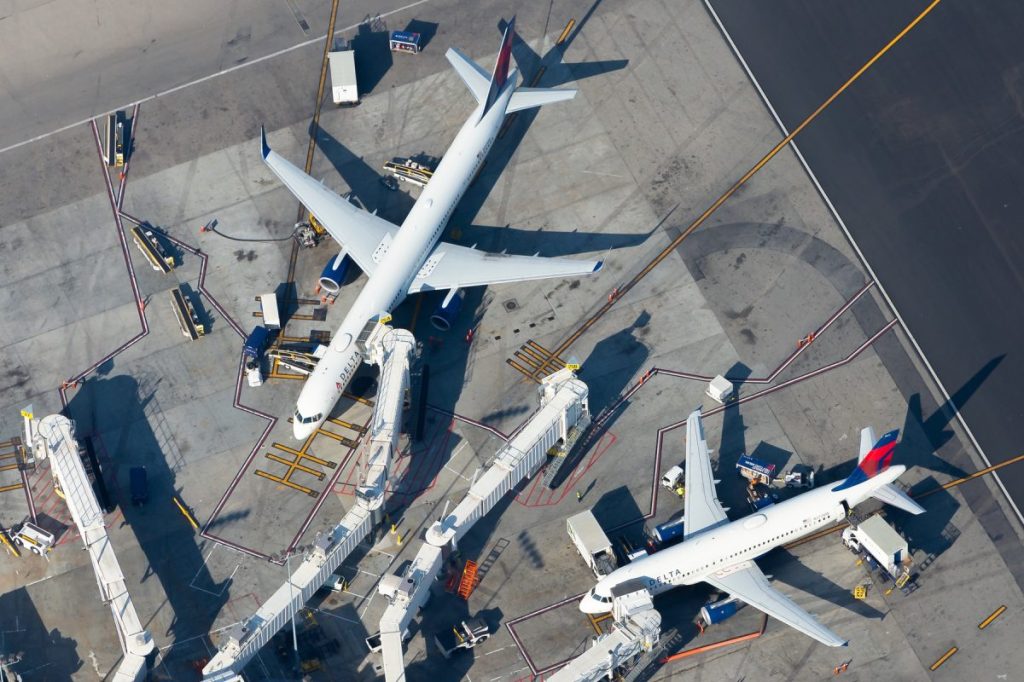
Rising fuel prices, spurred by the Iran conflict, are dramatically impacting the airline industry, potentially leading to significant profit losses. Airlines are responding by increasing baggage fees, and, as United's CEO stated, raising fares by 20%. This economic shift could reshape travel and potentially impact short-term rental demand.
Curated by Learn STR by GoStudioM