Airbnb’s Seasonal Cancellation Policy: What Every Host Needs to Know
Summary
Airbnb's Seasonal Cancellation Policies, launched in Q4 2025, allow hosts to set custom policies for specific dates, unlike the previous one-size-fits-all approach. This enables stricter policies during peak events to protect high-value bookings, and more flexible policies for last-minute gaps, improving visibility and appeal. Combining these policies with dynamic pricing tools like PriceLabs maximizes revenue.
Key Insights
- •Airbnb's Seasonal Cancellation Policies allow hosts to override their listing’s default cancellation policy for any specific date or date range.
- •The two main use cases are: stricter policies for high-demand dates and more flexible policies for last-minute unbooked dates.
- •Flexible and Moderate cancellation policies are the only ones that allow guests to defer payment until a few days before check-in, in the Reserve Now, Pay Later feature.
Action Items
- ✓For last-minute unbooked dates, switch to Flexible or Moderate policies to improve search ranking and reduce friction for guests.Effort: lowImpact: medium
- ✓Use stricter policies (Firm or Limited) for event dates and peak season to protect premium bookings.Effort: lowImpact: medium
- ✓Consider combining Seasonal Policies with custom promotions (discounts).Effort: lowImpact: medium
Tools & Resources
- →PriceLabs: PriceLabs is a dynamic pricing tool that complements seasonal policies.
Common Mistakes
- ⚠Failing to understand your Booking Lead Time (how far in advance guests book) could lead to the wrong cancellation policy settings and lost revenue.
Related Videos


More from Pricing & Profitability

The Caribbean tourism sector demonstrated remarkable resilience in 2025, reaching its strongest performance since before the pandemic with approximately 35 million stay-over arrivals, a 2.5% increase. Despite a major hurricane battering Jamaica and declines from key markets, South American arrivals surged by 23.7%. This showcases the region's recovery potential.

Hyatt's focus on luxury accommodations gives it an edge over Hilton, according to analysts at Barclays, Morgan Stanley, and Deutsche Bank. Hyatt has a significantly higher percentage of luxury rooms (22-31%) than Hilton (2.4%). This strategic positioning is expected to drive higher revenue from high-income travelers, who are considered more resilient.
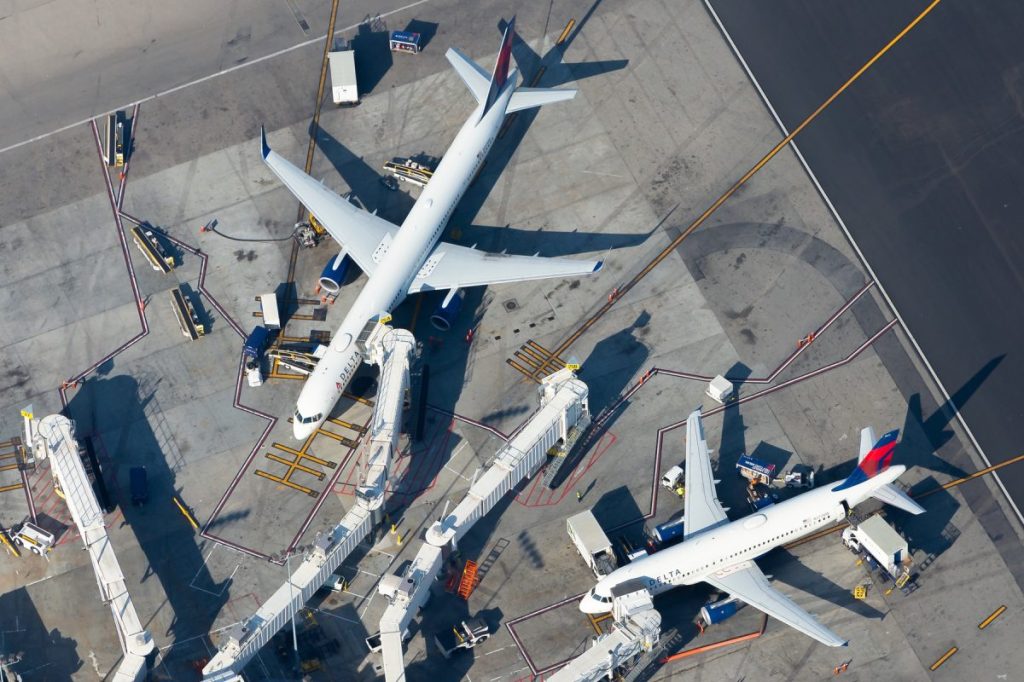
Rising fuel prices, spurred by the Iran conflict, are dramatically impacting the airline industry, potentially leading to significant profit losses. Airlines are responding by increasing baggage fees, and, as United's CEO stated, raising fares by 20%. This economic shift could reshape travel and potentially impact short-term rental demand.
Curated by Learn STR by GoStudioM