Beyond Static Rates: How Hotel Dynamic Pricing Software Maximizes RevPAR in 2026
Summary
In 2026, static pricing is outdated; hotel dynamic pricing software is crucial for maximizing RevPAR. PriceLabs offers solutions with features like Base Price Guidance, Dynamic Pricing, and competitive benchmarking. Segmenting your strategy and adapting to market shifts are key to success. This automated approach ensures optimal occupancy and ADR while improving profitability.
Key Insights
- •Relying on static seasonal rates is outdated; dynamic pricing is now an absolute necessity for hotels to thrive.
- •Hotel dynamic pricing software uses internal occupancy, lead time, seasonality, local events, and publicly available hotel market data to generate daily pricing recommendations.
Action Items
- ✓Check your competitor's rates daily, especially for dates 30, 60, and 90 days out, to adjust your pricing strategy accordingly.Effort: lowImpact: medium
- ✓Segment your pricing strategy based on room types, considering demand curves and group reservations for optimal results.Effort: lowImpact: medium
Tools & Resources
- →PriceLabs: PriceLabs offers features for dynamic pricing and competitive benchmarking.
Common Mistakes
- ⚠Relying on static, seasonal rates can lead to lost revenue during demand spikes or empty rooms during lulls.
Related Videos


More from Pricing & Profitability

The Caribbean tourism sector demonstrated remarkable resilience in 2025, reaching its strongest performance since before the pandemic with approximately 35 million stay-over arrivals, a 2.5% increase. Despite a major hurricane battering Jamaica and declines from key markets, South American arrivals surged by 23.7%. This showcases the region's recovery potential.

Hyatt's focus on luxury accommodations gives it an edge over Hilton, according to analysts at Barclays, Morgan Stanley, and Deutsche Bank. Hyatt has a significantly higher percentage of luxury rooms (22-31%) than Hilton (2.4%). This strategic positioning is expected to drive higher revenue from high-income travelers, who are considered more resilient.
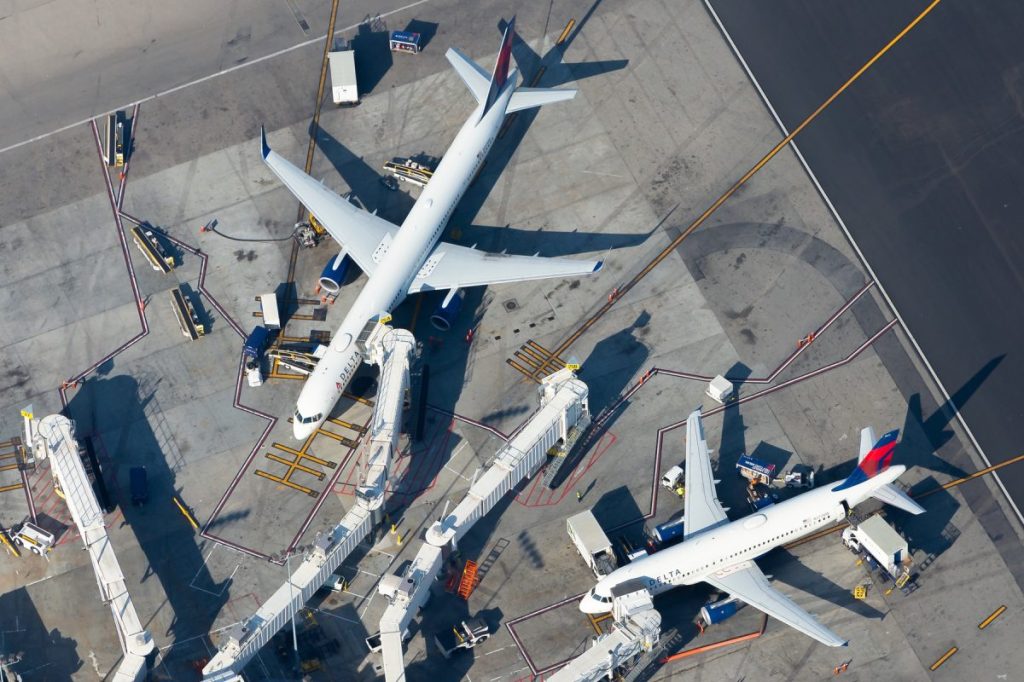
Rising fuel prices, spurred by the Iran conflict, are dramatically impacting the airline industry, potentially leading to significant profit losses. Airlines are responding by increasing baggage fees, and, as United's CEO stated, raising fares by 20%. This economic shift could reshape travel and potentially impact short-term rental demand.
Curated by Learn STR by GoStudioM