Boost Direct Bookings with PriceLabs’ Adaptive Seasonal Pricing Engine
Summary
PriceLabs' adaptive seasonal pricing engine helps independent hoteliers drive direct bookings and revenue. The engine uses real-time market data to adjust rates, capitalizing on peak demand while offering features like Day of the Week pricing and custom seasonal profiles. This automation of pricing strategy is key to success in a fast-paced market.
Key Insights
- •Dynamic pricing uses real-time data on demand, competition, and local trends to automatically optimize nightly rates.
- •Hotels face high OTA commissions (18-23%), making direct bookings crucial for profit.
- •The PriceLabs adaptive seasonal pricing engine connects with 160+ PMS & OTA Integrations, ensuring instant rate syncing across all channels.
Action Items
- ✓Define Custom Comp Sets to ensure your rates are influenced only by the properties guests actually consider alongside yours.Effort: lowImpact: medium
- ✓When a major event is coming, utilize Day of the Week pricing Adjustments to capture increased revenue.Effort: lowImpact: medium
Tools & Resources
- →PriceLabs: PriceLabs’ adaptive seasonal pricing engine excels at event-driven pricing adjustments.
Common Mistakes
- ⚠Manually managing rates can cause you to miss peak demand opportunities.
Related Videos


More from Pricing & Profitability

The Caribbean tourism sector demonstrated remarkable resilience in 2025, reaching its strongest performance since before the pandemic with approximately 35 million stay-over arrivals, a 2.5% increase. Despite a major hurricane battering Jamaica and declines from key markets, South American arrivals surged by 23.7%. This showcases the region's recovery potential.

Hyatt's focus on luxury accommodations gives it an edge over Hilton, according to analysts at Barclays, Morgan Stanley, and Deutsche Bank. Hyatt has a significantly higher percentage of luxury rooms (22-31%) than Hilton (2.4%). This strategic positioning is expected to drive higher revenue from high-income travelers, who are considered more resilient.
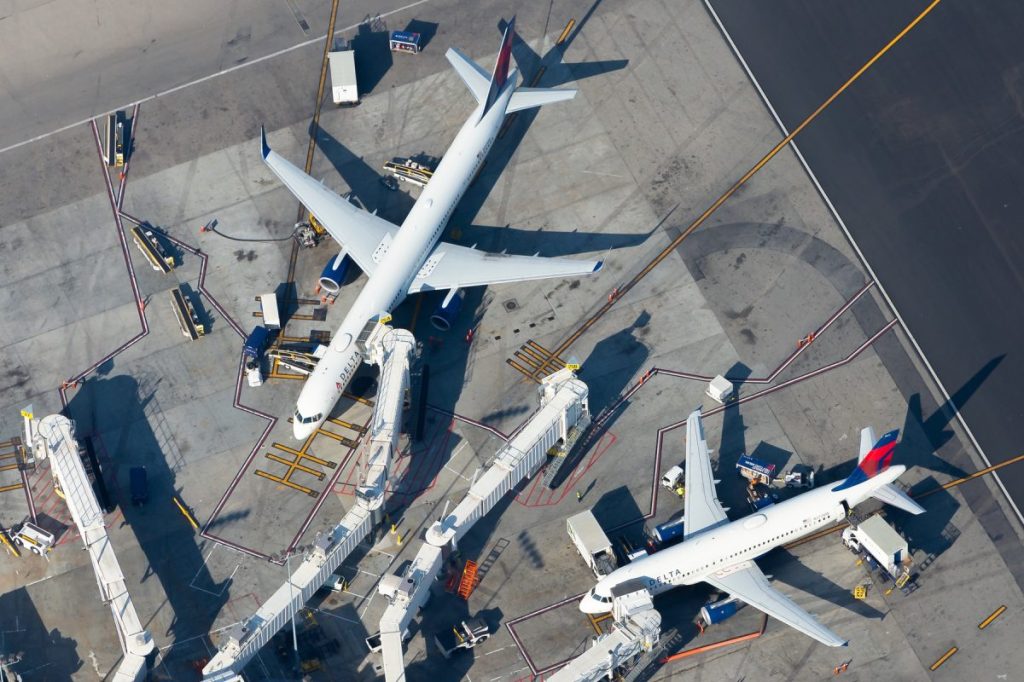
Rising fuel prices, spurred by the Iran conflict, are dramatically impacting the airline industry, potentially leading to significant profit losses. Airlines are responding by increasing baggage fees, and, as United's CEO stated, raising fares by 20%. This economic shift could reshape travel and potentially impact short-term rental demand.
Curated by Learn STR by GoStudioM