Learn · News
STR News.
Every regulation change, market signal, and platform shift that touches short-term rentals — read, scored, and summarized so you can stop scrolling Twitter and start running your business.
Results
Page 1

Accor Considers Acquisitions in India After Treebo Deal Falls Apart
Accor is actively pursuing acquisitions and partnerships in India to boost its presence after a deal with Treebo fell through. The hotel group aims to scale rapidly in emerging markets, demonstrating an ongoing entrepreneurial approach to expansion.

Skift Creator Summit: Five Decisions in the Room
Creators are now a key distribution channel for travel brands. Decision-making focuses on matching creators to brands and measuring ROI across brand and performance metrics, moving beyond follower counts to conversion proof. Trust and control are critical in creator partnerships.

The Broken Creator-to-Booking Chain, and Why It Matters Now
The travel creator economy faces a booking attribution problem where creators drive demand but bookings occur later via different channels, leaving tourism boards unable to prove ROI and platforms capturing transactions without demand creation.

GetYourGuide Taps Creators to Write Reviews for Tour Operators
GetYourGuide is piloting a Creator Review program to help new tour operators gain visibility and bookings. Travelers are reportedly three times more likely to book an activity with at least three reviews, highlighting the importance of early guest feedback.

Skift Global Forum Preview: Revolution’s Steve Case on Which Friction to Protect From AI
Steve Case's 'Scarcity Shift' strategy emphasizes investing capital in irreplaceable assets like places and trust, while using AI aggressively for abundant elements like planning and logistics. Curation and compounding relationships are key to traveler loyalty.
Airbnb identifies $1bn opportunity in sponsored listings - shorttermrentalz.com
Airbnb is exploring sponsored listings as a significant revenue stream, projecting a $1 billion opportunity. This move could change how properties gain visibility on the platform, impacting host visibility and marketing strategies.
Airbnb identifies $1bn opportunity in sponsored listings
Airbnb CEO Brian Chesky sees a $1B opportunity in sponsored listings and other paid host services, comparing it to marketplace revenue models like Amazon's. Vrbo has already rolled out its sponsored listings, impacting search visibility costs for hosts.

See the Confirmed Speakers for Skift Creator Summit 2026
The Skift Creator Summit 2026 focuses on the growing creator-led demand in travel. The event brings together operators across the booking path, from brands to platforms and creators, to discuss proving impact and the future of travel commerce influenced by AI. Sessions highlight the need for cross-functional ownership of the creator-led demand journey.

Google’s New Hotel Search in Europe: What it Looks Like Now
Google's hotel search in Europe has been updated following an EU antitrust decision. New results feature distinct 'aggregator' and 'supplier' units, impacting how users see OTAs vs. direct bookings. This change aims to promote direct provider visibility.
Airbnb and Little Village Chamber of Commerce boost local small businesses as Mexican Independence Day brings visitor surge to the neighborhood - WebWire
Mexican Independence Day celebrations in Chicago's Little Village led to a surge in visitors, boosting local businesses. Airbnb partnered with the Chamber of Commerce to support these economic impacts.
Little Village Mexican Independence Day brings visitor surge to the neighborhood - news.airbnb.com
Mexican Independence Day in Little Village drove a significant surge in visitors, highlighting the impact of local cultural events on short-term rental demand. This event demonstrates how niche celebrations can create unexpected booking opportunities.

Wyndham Is Watching India’s Airports as Closely as Its Hotels
Wyndham is expanding its focus beyond traditional hotels to capture the growing Indian outbound travel market, particularly towards Greece. New direct flight routes are a key indicator for their expansion strategy, highlighting the importance of following travel demand.

Marriott CEO Says AI Will Impact Hotel Distribution First
Marriott CEO Anthony Capuano highlights AI's primary impact on hotel distribution, emphasizing appearing in AI-powered travel platforms. The company is actively feeding content to Google and OpenAI to ensure prominent placement for its properties.
Google removes vacation rental search results in EEA - shorttermrentalz.com
Google has removed vacation rental search results in the EEA, a significant shift impacting discoverability for STR hosts. This decision may alter booking trends and direct hosts to focus on alternative marketing channels.
Celine Dion's Paris Comeback Set to Boost Short-Term Rental Demand - luxurytraveladvisor.com
Celine Dion's highly anticipated Paris comeback is expected to significantly boost short-term rental demand in the city. This event will likely attract a surge of tourists, creating a strong opportunity for hosts to capitalize on increased bookings and potentially higher nightly rates.
No-cost attendance for property managers and investors at Urban Living Festival 2027
Urban Living Festival 2027 offers free attendance for property managers, owners, and investors, aiming to democratize access to industry knowledge and networking. The event focuses on collaboration across hospitality and real estate sectors.

Klook Bets Creators Can Sell the Whole Trip, Not Just the Viral Attraction
Klook is empowering travel creators with 'Kreator Shops,' a feature enabling them to sell full trip itineraries, not just single attractions. This aims to transform creator recommendations into bookable travel plans.

Google Strips Out EU Travel Search Features to Avoid More Fines
Google is removing several EU travel search features to avoid antitrust fines. This includes stripping vacation rentals from European search results and restricting filters for flights and hotels. Users can no longer filter by dates, check live pricing, or use descriptive tags directly in results.
TravelAI’s Sonder strategy: Urban stays, AI and a $100m target
TravelAI acquires the Sonder brand, targeting $100m in bookings via Sonder.com within its first year. The strategy focuses on curated urban accommodations managed by professionals, with AI personalizing the guest journey. Properties must meet the 'Sonder Bar' criteria for consistency.

Vrbo’s Biggest Product Push Yet, and What Hosts Need to Know
Vrbo launched 12 new products focusing on advertising, pricing, and guest operations. Key updates include Sponsored Listings, new pricing tools, One Key member deals, and Expedia package distribution, signaling Vrbo's strategy to build a broader ecosystem for professional vacation rentals.
Airbnb appoints Pepijn Rijvers as chief business officer
Airbnb appoints Pepijn Rijvers as Chief Business Officer, overseeing Homes, Hotels, Global Markets, and Enterprise Operations. This move signals Airbnb's continued expansion beyond its core homes marketplace into broader travel services, leveraging Rijvers' extensive experience from Booking.com and Tripadvisor.
Expedia Group stock holds steady as new Vrbo tools expand vacation rental reach - AD HOC NEWS
Expedia Group's stock remains stable as new Vrbo tools are rolled out to enhance vacation rental reach. These updates aim to boost the platform's presence in the competitive STR market. Hosts can expect potential shifts in visibility and booking dynamics.
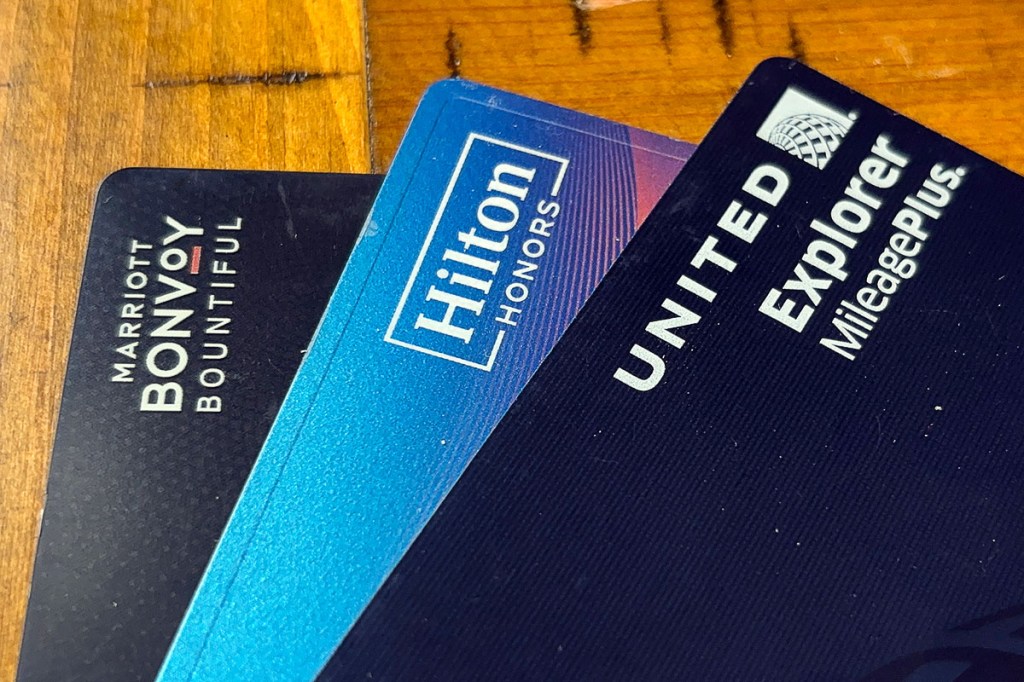
The New Travel Loyalty Leaders Aren’t Hotels or Airlines — They’re Banks
Banks and credit card loyalty programs are now the leading choice for travelers seeking rewards, surpassing hotels and airlines. This shift highlights a significant trend for STR hosts to consider in their marketing and guest retention strategies.
Vrbo’s Bold Bet: Can New Sponsored Listings and Flexible Bookings Win Over Price-Savvy Travelers? - interactivecrypto.com
Vrbo is launching new sponsored listings and flexible booking options to attract price-conscious travelers. This move aims to boost visibility for hosts willing to offer more adaptable reservation terms, potentially increasing occupancy rates.
Curated by Learn STR by GoStudioM — refreshed every 30 minutes from 60+ verified industry sources.