Learn · News
STR News.
Every regulation change, market signal, and platform shift that touches short-term rentals — read, scored, and summarized so you can stop scrolling Twitter and start running your business.
Results
Page 15
‘The Five’ panel debates how to split vacation rental costs - Fox News
A recent Fox News panel discussed strategies for splitting vacation rental costs, highlighting the complexities and differing opinions on how to divide expenses fairly among co-hosts or property owners involved in shared rentals.
Average B.C. rents fell 5.3 per cent in June, says report - My Creston Now
Average B.C. rents saw a notable decrease of 5.3% in June, according to a recent report. This shift in the rental market could indicate potential impacts on the short-term rental landscape, influencing demand and pricing strategies for hosts in the region.
Short-term Rental Platform SamsamM2 Surpasses 150 Billion Won in Transaction Volume in First Half - 아시아경제
Short-term rental platform SamsamM2 has achieved over 150 billion won in transaction volume in the first half of 2026. This significant financial milestone indicates strong market activity and potential for growth within the STR sector.
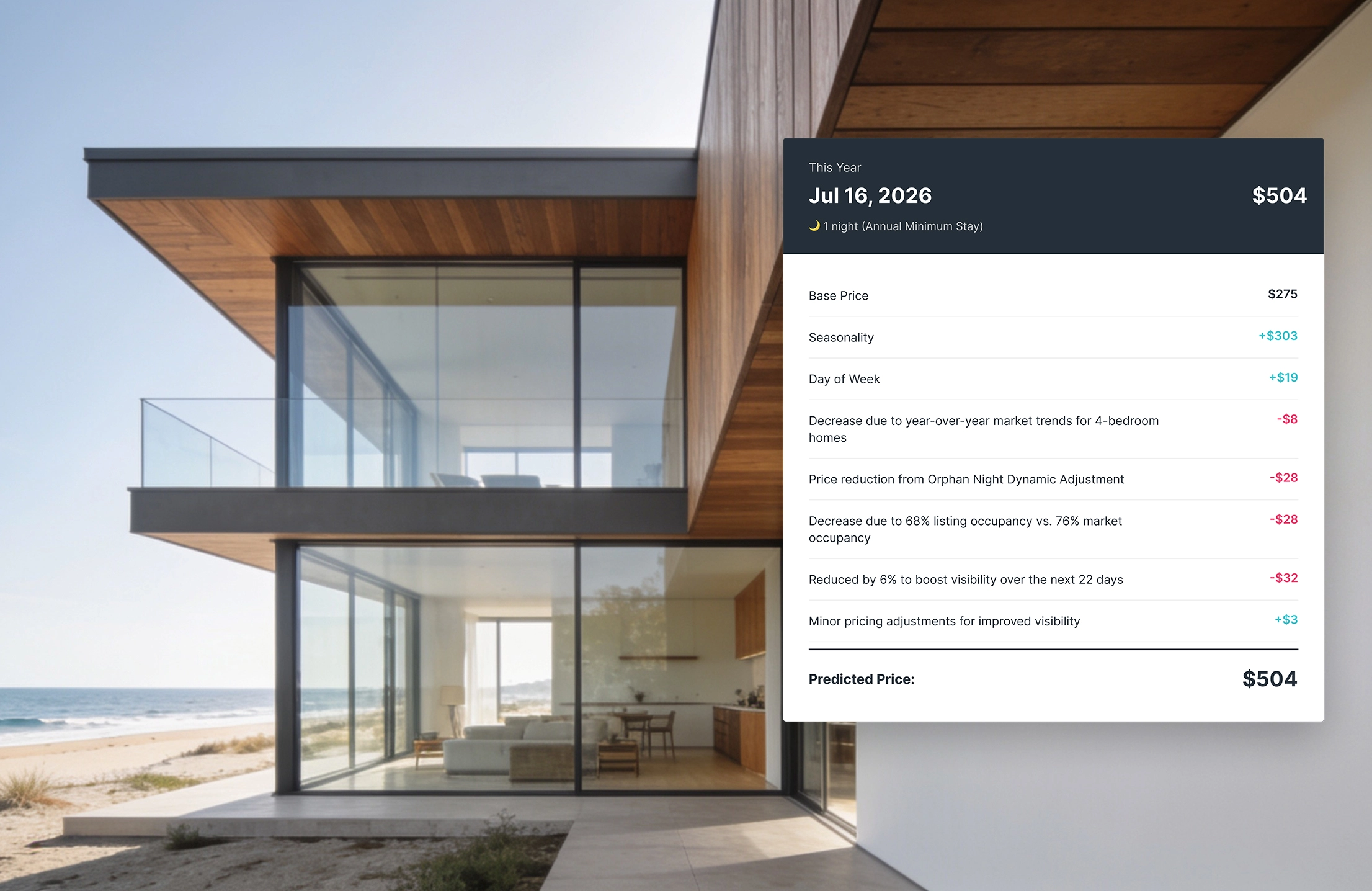
ADR vs Occupancy: How to Optimize Pricing Performance
Optimizing vacation rental pricing requires balancing Average Daily Rate (ADR) and occupancy, not just maximizing one. Revenue Per Available Room (RevPAR) is key. Prioritize occupancy in low season/new listings, and ADR in high season/events. Watch for signs of imbalance like high occupancy with flat ADR.

Urban vs. Leisure Short-Term Rental Markets: Where Demand Is Shifting
Urban and leisure STR markets behave differently, impacting pricing and strategy. Urban markets have shorter booking windows and mixed demand, while leisure markets rely on advance planning and seasonal peaks. Adapting strategies to each market's rhythm is key for profitability.
Airbnb’s $90 Billion Growth Story Is Far From Peaking - 24/7 Wall St.
Airbnb's significant growth continues, reaching a $90 billion valuation and showing no signs of slowing down. This sustained expansion indicates a robust market for short-term rentals, offering opportunities for hosts and signaling continued demand from travelers.
Airbnb’s 15.5% Host-Only Fee Is Coming for All Hosts: Which Case You’re In, What to Do, and the Right Math - RSU by PriceLabs
Airbnb is phasing in a 15.5% host-only fee for all hosts. This change impacts how hosts are paid and requires understanding different cases and the necessary calculations to manage profitability effectively.
Airbnb’s 15.5% Host-Only Fee Is Coming for All Hosts: Which Case You’re In, What to Do, and the Right Math
Airbnb is transitioning all hosts to a single 15.5% host fee, phasing out the old split-fee model. Hosts must adjust pricing to avoid a significant payout reduction, with an 18.34% markup recommended to maintain full price.

GMH Hotels: The Supply Gap That Could Change Hotel Pricing.
Extended stay hotel demand surged 6.2% YoY in May, driven by workforce housing needs and displaced residents. Supply is thinning, potentially increasing pricing power in 2027. This trend favors hosts offering more space and amenities.
Australians face record-high rents as agents see 'enquiries flooding in' - ABC News & Headlines – Australian Broadcasting Corporation
Record-high rents in Australia are prompting a surge in enquiries, indicating strong demand in the property market. This trend could impact the availability and affordability of housing, potentially affecting both long-term and short-term rental markets.
Short-let growth puts pressure on Nigeria’s rental housing market - shorttermrentalz.com
Nigeria's rental housing market faces pressure from the rapid growth of short-term rentals (STRs). While STRs offer economic opportunities, they contribute to rising rental costs and potential housing shortages for long-term residents.
Short-let growth puts pressure on Nigeria’s rental housing market
Short-term rentals are booming in Nigeria's major cities, converting residential apartments to meet demand from business travelers and tourists. This trend significantly reduces long-term housing supply, straining rental markets and raising concerns about housing affordability and planning regulations. Clearer guidelines and increased housing supply are needed for balance.
World Cup projections fall well short for 2 Airbnb hosts - Toronto Sun
Two Airbnb hosts in Toronto experienced significantly lower bookings than projected during the World Cup, highlighting the unpredictability of major events for STRs. This serves as a crucial reminder for hosts to manage expectations and avoid over-reliance on large-scale events for revenue.
Short-term rental stays across the EU rise 9.7% in first quarter - shorttermrentalz.com
Short-term rental stays across the EU saw a significant 9.7% increase in the first quarter of 2026. This growth indicates a strong and expanding market for STR hosts across Europe.
Short-term rental stays across the EU rise 9.7% in first quarter
STR stays in the EU surged 9.7% in Q1 2026, with 144.3 million bookings. Malta led growth at 30.5%, followed by Slovenia and Slovakia. Larger markets like Germany and Italy saw ~15% increases, indicating continued demand across Europe.

World Cup Ripple Effect: How Non-Host Markets Are Cashing In
Non-host cities are experiencing significant RevPAR growth (6%+) during the World Cup, with hotel demand up 1.7%. These markets are attracting high-spending international visitors, mirroring some of the gains seen in host cities.
Blue Springs Airbnb host says World Cup guests kept her 'nonstop' busy - KSHB 41 Kansas City
A Blue Springs Airbnb host experienced intense booking activity due to World Cup guests, highlighting a surge in demand for STRs in the Kansas City area. This indicates a significant opportunity for hosts during major events.
Blue Springs Airbnb host says World Cup guests kept her 'nonstop' busy - Yahoo
A Blue Springs Airbnb host experienced a surge in bookings due to the World Cup, leading to 'nonstop' busy operations. This highlights the potential for major sporting events to significantly boost STR demand and host workload.

The Switch Report: What Really Happens to Your Revenue When You Change Pricing Tools
Beyond Pricing's 'Switch Report' analyzed 5,501 listings to compare revenue before and after switching to their tool. Listings saw a median revenue lift of 9.7% from PriceLabs and 11.4% from Wheelhouse, driven by increased occupancy.
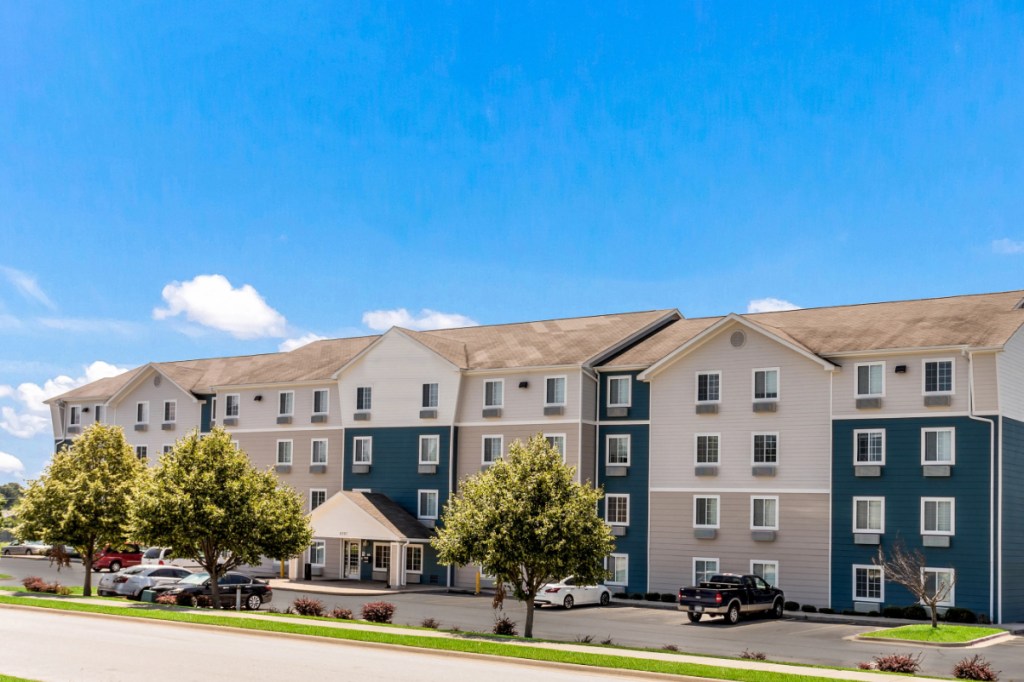
Extended-Stay Demand Hits a Four-Year High as Supply Pipeline Thins
Extended-stay hotel demand is up 6% with 77% occupancy, hitting a four-year high in May. This growth, outpacing the broader industry, combined with a thinning construction pipeline, signals potential pricing power for hosts in 2027.
Bulgaria Short-Term Rental Market Surges 9.7% in Q1 2026 as European Platforms Drive Digital Tourism Boom - Nomad Lawyer
Bulgaria's short-term rental market saw a 9.7% surge in Q1 2026, driven by European platforms and digital tourism. This growth indicates a strong recovery and increased demand for STRs.
$212M FIFA World Cup boom: How Airbnb women hosts are earning thousands by opening homes to football fans - livemint.com
Women Airbnb hosts earned thousands during the $212M FIFA World Cup, leveraging increased demand from football fans. This event highlights the significant earning potential for hosts during major global events and the role of the platform in facilitating these opportunities.
Ireland Pairs With Spain, Portugal, Italy and Other Global Countries as Europe’s 2026 Tourism Boom and Air Travel Surge Trigger Structural Rent Inflation Across Major Cities, Fueling Housing Crisis, Short-Term Rental Pressure and Travel Market Disruption - Travel And Tour World
Europe's 2026 tourism boom, fueled by surge in air travel, is triggering structural rent inflation and a housing crisis in major cities. Ireland, Spain, Portugal, and Italy are experiencing significant short-term rental pressure impacting local markets.
The new-build housing glut: It’s not just condos - The Globe and Mail
A new-build housing glut, extending beyond condos, is impacting housing markets. This oversupply could lead to decreased property values and potentially affect the STR market by increasing available inventory or impacting long-term rental rates.
Curated by Learn STR by GoStudioM — refreshed every 30 minutes from 60+ verified industry sources.