Learn · News
STR News.
Every regulation change, market signal, and platform shift that touches short-term rentals — read, scored, and summarized so you can stop scrolling Twitter and start running your business.
Results
Page 85
Is Airbnb (ABNB) Undervalued After Chicago’s Short Term Rental Lawsuit? - simplywall.st
Chicago's new short-term rental lawsuit sparks debate on Airbnb's valuation. The city's regulations aim to curb the impact of STRs on housing availability, potentially affecting future growth and profitability for hosts operating within the city.
Spain’s Overtourism Crisis Escalates as Housing Pressure and Tourist Backlash Intensify Across Barcelona and Islands - Travel And Tour World
Spain is facing an escalating overtourism crisis, with significant housing pressure and tourist backlash intensifying in Barcelona and the islands. This trend highlights growing concerns about the impact of STRs on local communities and housing availability.
Jersey City Official Took Bribe To Approve Short-Term Rental: Prosecutor - Patch
A Jersey City official allegedly accepted a bribe to approve a short-term rental, according to prosecutors. This highlights the critical importance of adhering to local regulations and the potential legal ramifications of non-compliance for hosts.
Croatia approves new law to regulate short-term holiday rentals from 2027 - Croatia Week
Croatia is set to implement a new law regulating short-term holiday rentals starting in 2027. This legislation aims to bring order to the growing STR market, impacting hosts and potentially changing operational requirements.

13 Vacation Rental Advertising Strategies for Increased Success
Maximize STR success with diverse marketing. Leverage OTAs for reach, social media for direct bookings, and email for repeat guests. Combine strategies for optimal occupancy and revenue.

Top 10 Best Property Management Companies in the U.S. in 2026
Property management fees for STRs can range from 10-30%, significantly higher than residential rates. Researching companies and understanding their service focus is crucial for hosts.
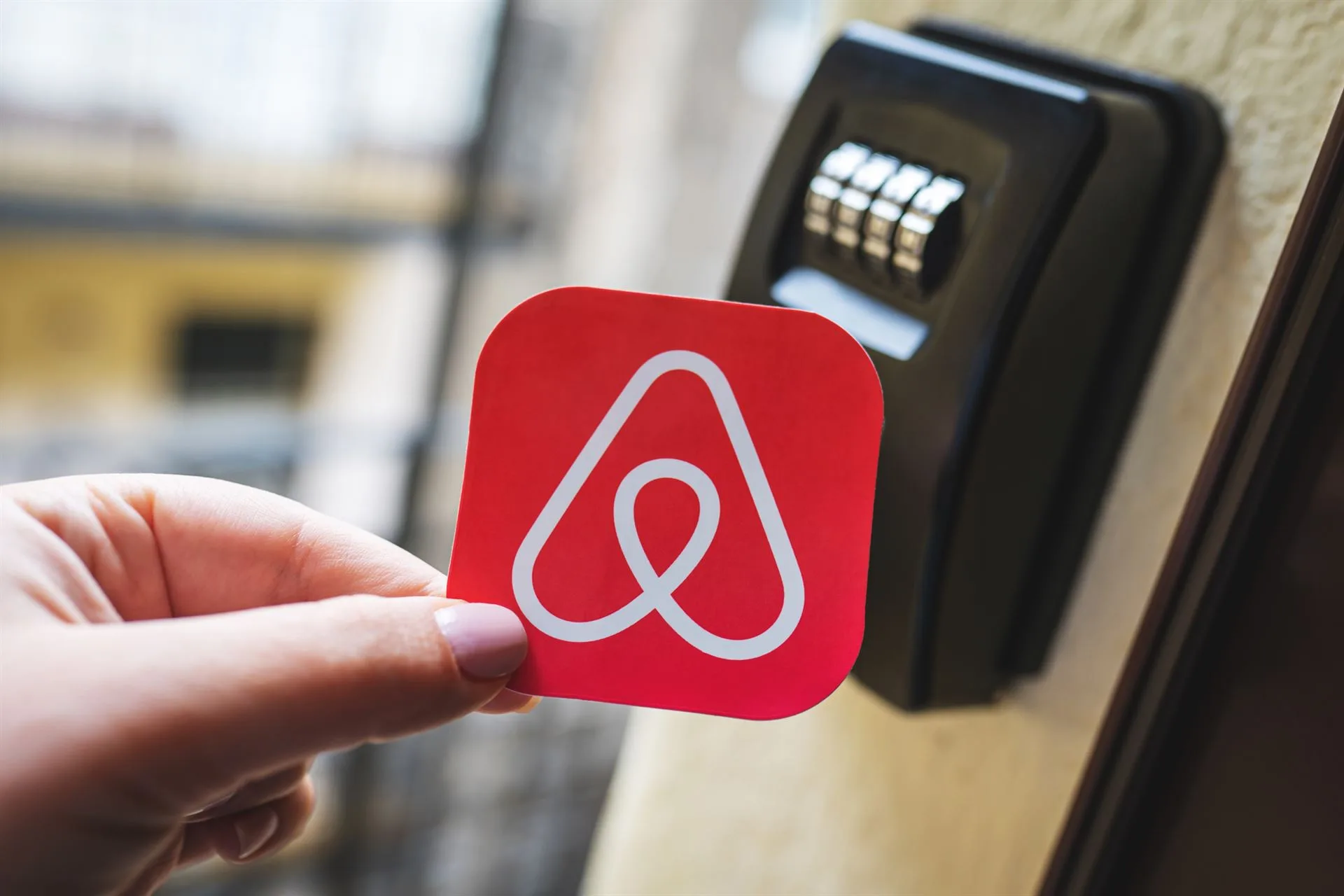
A Buyer's Guide to Airbnb Lockbox for Self-Check-In
Discover the benefits and types of Airbnb lockboxes for self-check-in. Explore options from budget mechanical locks ($13-$30) to high-end smart locks ($100-$300) like Master Lock and Igloohome. Learn installation tips to enhance guest convenience and security.

How the Airbnb Business Model Works
Airbnb's business model relies on a two-sided marketplace and booking fees, with AI features like review summaries and customer support now integrated. Hosts can choose split-fee or host-only structures, impacting transparency and profitability.
European Union Partners With Greece, Spain, Italy, France, Germany and Portugal to Advance New Tourism Rules on Overtourism, Short-Term Rentals and Cross-Border Connectivity to Build a More Sustainable Travel Future—Everything You Should Know - Travel And Tour World
The EU is partnering with Greece, Spain, Italy, France, Germany, and Portugal to develop new tourism rules addressing overtourism, short-term rentals, and cross-border connectivity to foster sustainability.

How Per Accommodation Per Stay Pricing Works
Per accommodation per stay pricing is a versatile model for STRs, allowing hosts to charge for the entire unit rather than per person or per night. This strategy, when combined with dynamic pricing and add-ons, can significantly boost profitability for unique and luxury properties.
Jersey City housing supervisor charged with accepting $1,500 bribe for rental permit - Hudson County View
A Jersey City housing supervisor faces charges for allegedly accepting a $1,500 bribe in exchange for a rental permit. This incident highlights potential corruption in the permit process and underscores the importance of adherence to regulations.
Jersey City Housing Supervisor Took Cash For Rental Permit: Prosecutor - dailyvoice.com
A Jersey City housing supervisor was arrested for allegedly taking cash bribes in exchange for rental permits. This highlights potential corruption risks in local STR regulatory processes and underscores the importance of compliance and transparent dealings with city officials.
City's short-term rental policy will remain unchanged for now - Cadillac News
Cadillac's short-term rental policy will remain unchanged, providing hosts with continued operational stability for now. This temporary status quo offers a window for hosts to focus on optimizing their current operations without immediate regulatory shifts.
City's short-term rental policy will remain unchanged for now - Cadillac News
Cadillac's short-term rental policy will remain unchanged for now, offering a period of stability for local hosts. This allows hosts to continue operating under current guidelines without immediate new restrictions or mandates from the city.
Could Louisville ban one-night-stays at short term rentals? - whas11.com
Louisville may ban one-night stays at short-term rentals, impacting hosts' occupancy and revenue potential. This potential regulation could shift the STR market dynamics in the city, requiring hosts to adapt their booking strategies or face limitations on short bookings.
Butchertown Airbnb shooting sparks push for tougher short-term rental rules - whas11.com
A shooting at a Butchertown Airbnb has intensified calls for stricter short-term rental regulations in the area. Local officials are considering new rules to address safety concerns and neighborhood impact.
Holiday rental mix-up leaves Arizona family out $1,500 - azfamily.com
An Arizona family lost $1,500 due to a holiday rental mix-up. This incident highlights potential booking errors and the importance of verification. Hosts should ensure clear communication and robust booking systems to prevent similar financial losses for guests.
Global Market Intelligence and Insights from Sally Henry
KeyData's Sally Henry highlights that short-term rental demand is flat to negative, but rates are holding strong. This necessitates a careful balance of occupancy and pricing, especially with shorter booking windows and increased cancellations. Data-driven agility is crucial for navigating these market shifts.
Airbnb.org provides housing to first responders after Venezuela earthquakes
Airbnb.org is providing free emergency housing to first responders aiding Venezuela earthquake relief. This initiative, funded by Airbnb.org and donors, partners with nonprofits like Rescue Response International. Since 2020, Airbnb.org has facilitated 1.6 million free nights of housing globally during crises.
Council briefs: Sooke moves to user-pay sewer billing - Sooke News Mirror
Sooke council is moving to a user-pay sewer billing system. This change will likely impact property owners, including short-term rental hosts, who will now be billed based on their actual water usage. Hosts should anticipate potential adjustments to their operating expenses.
Baytown City Council Briefs: Short-term rental regulations tabled - Baytown Sun
Baytown City Council has tabled proposed short-term rental regulations, indicating a pause in immediate new rules. This delay allows stakeholders more time to review and potentially influence the final ordinances. Hosts should monitor upcoming council meetings for updates.
Carthage implements new rules for short-term rentals - FourStatesHomepage.com
Carthage has enacted new regulations for short-term rentals, impacting hosts operating in the area. Details on permit requirements and operational compliance are crucial for continued operation and avoiding penalties.
Fort Sask RCMP warn of scam vacation rental listings - HeartlandNews.ca
Fort Sask RCMP are warning residents and travelers about a rise in scam vacation rental listings. Scammers create fake listings with appealing photos and descriptions to steal money. Hosts should be vigilant and verify all communications.
Analysis finds cities collected $935M in short-term rental fees, taxes and fines since 2019 - fox23maine.com
Cities have collected over $935 million since 2019 from STR fees, taxes, and fines. This significant revenue highlights the financial impact of STRs on local governments and suggests potential for continued regulatory scrutiny and financial obligations for hosts.
Curated by Learn STR by GoStudioM — refreshed every 30 minutes from 60+ verified industry sources.